Calm Your Mind: A Guided Meditation Audio Course
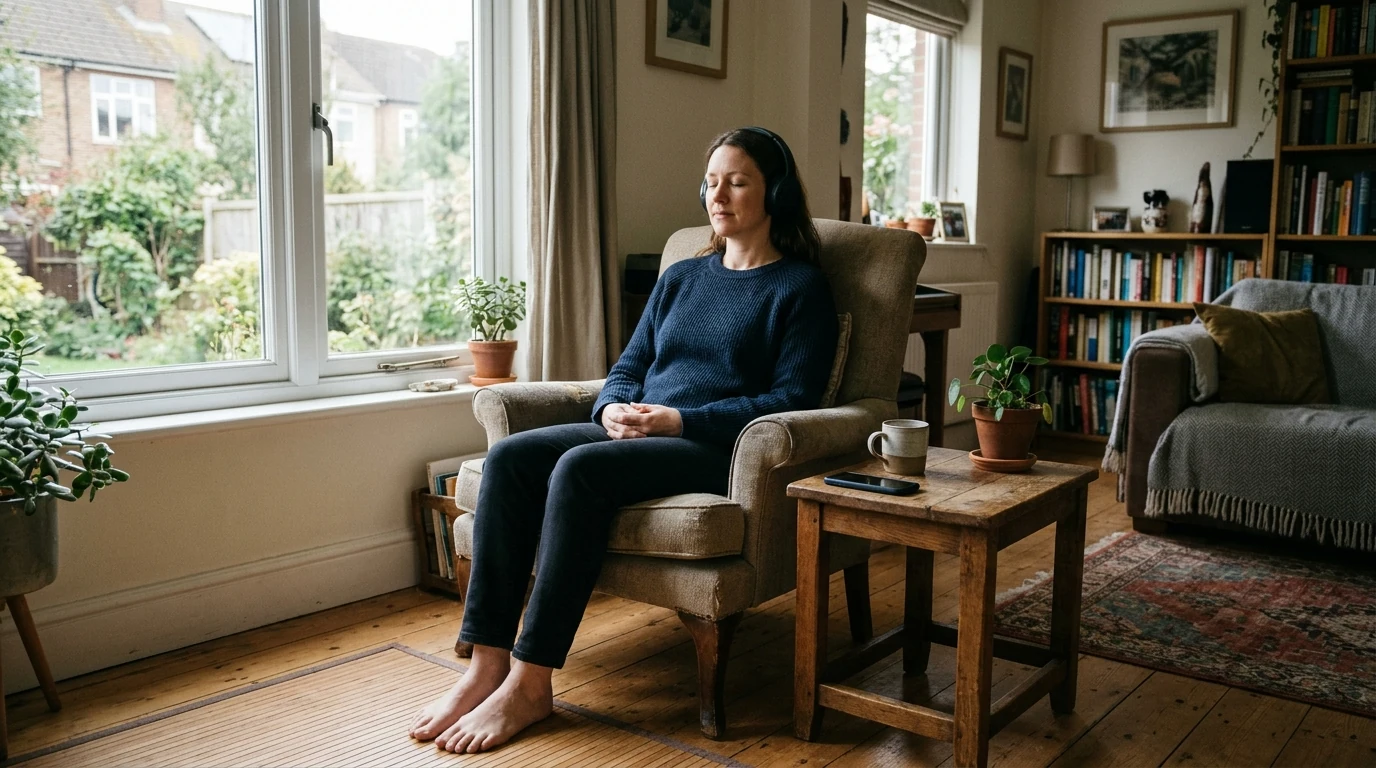
A quieter moment doesn’t have to require a perfect routine or a specially prepared room. If you’d like a little guidance as you pause, our Calm Your Mind audio course offers a way to make space for meditation in your day. You can approach it with curiosity, listen at a comfortable pace, and decide what works for you.
A Simple Way to Begin
Our Calm Your Mind guided meditation series is an audio course designed to support a personal mindfulness routine. It is listed at $28.99. Rather than having to decide on your own where to direct your attention, you can listen to guidance and use it as a starting point.
That can be useful if sitting quietly feels unfamiliar or if you find yourself wondering whether you’re doing meditation correctly. You don’t need to arrive with a particular mood or experience level. Start by setting aside time to listen, and let the guidance give your attention somewhere to return.
Consider what makes listening easy for you. You might prefer headphones in a shared home, or you may feel more comfortable playing audio through a speaker in a private room. Keep the volume comfortable and choose a setting where you can pay attention safely, rather than listening while driving or doing something that requires your full attention.
Find a Moment That Fits Your Day
There’s no single best time to meditate. A useful starting point is a moment when you’re less likely to be interrupted and don’t feel rushed to move on to your next task. You can experiment with different times and notice which feels easiest to return to.
The following ideas are flexible ways to fit listening into your day; they don’t imply that the course contains separate sessions for each time.
Ideas for Making Space to Listen
| Moment | Simple approach |
|---|---|
| Morning | Set aside a quiet moment before the day gets busy. |
| Midday | Pause between tasks and settle into a comfortable position. |
| Evening | Choose a calm spot as part of a wind-down routine. |
Before you begin, adjust your surroundings in whatever way helps you feel comfortable. You might silence notifications, close a door, or let someone nearby know you’re taking a short break. If complete quiet isn’t possible, choose a place where background activity feels manageable.
Your posture can be flexible, too. Sit in a chair with your feet supported, settle on a cushion, or choose another position that feels comfortable. You can shift if you need to; being able to pay attention matters more than holding a particular pose.
What to Do When Your Mind Wanders
Thoughts about a conversation, an upcoming appointment, or your to-do list may appear while you’re listening. That’s a normal part of paying attention, not a sign that you’ve failed. When you notice your mind has wandered, you can gently bring your attention back to the guidance.
Try to treat that return as part of the practice rather than a correction you need to make perfectly. There’s no need to force your mind to become completely quiet or judge a listening session by how many thoughts you had. Some days may feel more settled than others, and either experience is okay.
If a meditation feels uncomfortable, pause or stop. You might open your eyes, change position, or take a break from listening. You can decide later whether you want to return to it or try a different way of making space for yourself.
A Supportive Practice, Not a Substitute for Care
Meditation may help some people manage stress or anxiety, but experiences vary. Our audio course is a supportive practice, not a treatment or cure for anxiety. You don’t have to use meditation as your only way of dealing with difficult feelings.
If anxiety is persistent, disruptive, or affecting your daily life, consider seeking support from a qualified healthcare professional. You can talk with them about your concerns and whether meditation fits alongside the care you receive. For more information about the evidence and safety considerations, see the National Center for Complementary and Integrative Health’s overview of meditation and mindfulness.
Make Your Routine Your Own
A routine can be simple: choose a convenient moment, settle in, and listen when you’re ready. If you miss a day, you can begin again without trying to make up for it. Our team encourages you to choose an approach that feels practical in your life rather than another obligation to complete.
If you also enjoy exploring how you learn and build habits, our Learn to Learn digital guide offers a separate resource focused on learning strategies. It’s listed at $6.99 and can be explored independently of the meditation course.
FAQ
Is Calm Your Mind suitable for someone new to meditation?
Guided audio can be an approachable starting point if you’re new to meditation. You can listen at a comfortable pace and return your attention to the guidance whenever you notice it wandering.
Do I need a special space to listen?
No special setup is necessary. Choose a comfortable, relatively quiet place where you can pay attention safely.
Can meditation replace anxiety treatment?
No. Meditation can be a supportive practice, but it is not a substitute for professional care.












Leave a comment